


What Is Counselling Supervision? Understanding the Support Behind the Therapy Room
When people begin counselling, they often hear the word supervision mentioned in a therapist's policies or privacy information. Naturally, this can raise questions:
"Does someone else know what I'm talking about in therapy?"
"Is my information being shared?"
"Why does my therapist need supervision?"
These are important questions, and understanding supervision can help you feel more confident about the counselling process.
Supervision: A Vital Part of Ethical Counselling
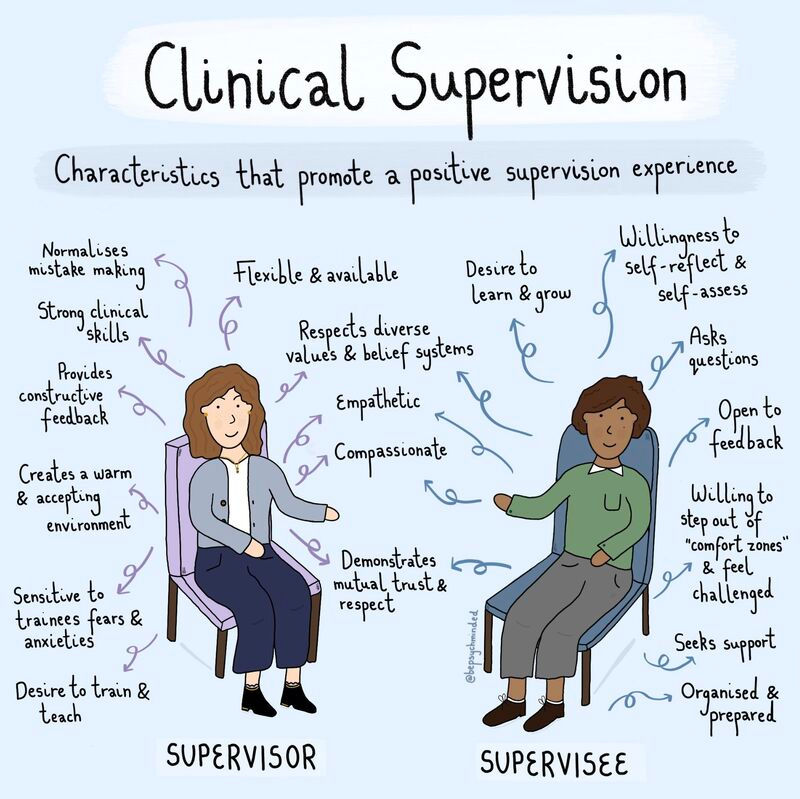
Supervision is a professional support process that helps therapists provide the best possible care for their clients. It is a regular meeting between a therapist and an experienced supervisor, where the therapist can reflect on their work, discuss challenges, and ensure they are practising safely, ethically, and effectively.
Think of supervision as quality assurance for therapy. Just as doctors, nurses, teachers, and other professionals benefit from guidance and consultation, therapists also need a space to reflect on their work and continue developing their skills.
Importantly, supervision is not about someone "checking up" on clients. It is about supporting therapists so they can support you.
How Does Supervision Work?
During supervision, a therapist may discuss aspects of their client work to gain perspective, explore therapeutic approaches, or reflect on any challenges that arise in the counselling relationship.
The focus is often on questions such as:
How can I best support this client?
Am I understanding their experience accurately?
Are there any ethical considerations I need to think about?
What might be helpful for this client moving forward?
Supervision encourages thoughtful, reflective practice and helps therapists avoid working in isolation.
What About Confidentiality?
One of the most common concerns clients have is confidentiality.
The good news is that confidentiality remains a cornerstone of the counselling process, including within supervision.
When therapists discuss client work in supervision, they do so with great care. Personal identifying details are typically removed or minimised wherever possible. The purpose is not to share a client's identity but to discuss the therapeutic work in a professional and confidential setting.
Supervisors are also bound by strict professional and ethical standards. They have the same responsibility to maintain confidentiality as the therapist themselves.
In other words, supervision is not an exception to confidentiality, it is part of the professional framework that protects it.
Why Is Supervision Important for Clients?
Although supervision takes place behind the scenes, its benefits are very much felt by clients.
Effective supervision helps therapists:
Maintain high professional standards.
Reflect on their own reactions and biases.
Gain fresh perspectives when clients face complex challenges.
Continue learning and developing their skills.
Ensure ethical and safe practice.
Prevent burnout and compassion fatigue.
Ultimately, supervision helps therapists remain present, thoughtful, and effective in their work with clients.
How Does Supervision Help Therapists?
Therapists spend much of their professional lives listening to difficult emotions, painful experiences, and complex personal stories. While this work is deeply rewarding, it can also be emotionally demanding.
Supervision provides a dedicated space for therapists to:
Reflect on their work.
Receive professional guidance.
Explore ethical dilemmas.
Manage the emotional impact of their role.
Continue their professional growth.
A well-supported therapist is better equipped to provide high-quality support to the people they work with.
An Ethical Commitment to Good Practice
Most professional counselling organisations require therapists to engage in regular supervision as part of ethical practice. This is because counselling is not simply about having skills and knowledge, it is also about ongoing reflection, accountability, and professional development.
Regular supervision demonstrates a therapist's commitment to working responsibly and putting their clients' wellbeing at the centre of their practice.
Therapy is built on trust. Understanding how supervision works can help reassure you that there is a strong professional framework supporting the work you and your therapist do together.
Supervision is not about judging clients or sharing private information. It is a confidential, ethical process designed to support therapists in providing the highest standard of care.
In many ways, supervision benefits everyone involved. It supports therapists in their professional growth and wellbeing, while helping clients receive thoughtful, ethical, and effective counselling.
If you ever have questions about supervision, confidentiality, or how your information is protected, your therapist will be happy to discuss this with you. Open conversations about these topics are an important part of building a safe and trusting therapeutic relationship.



Comments